

MODEST GDP GROWTH SUSTAINED, 25Q3
Real GDP growth was sustained at a modest pace of 0.5% (quarter-on-quarter) during 25Q3, following on the 0.8% surprising bounce in 25Q2. This reading in itself – and its composition – may not be enough to call a change in the trend but combined with the 25Q4 BER survey results and other high frequency data, it reveals promising green shoots of improvement.
Firstly, manufacturing volumes are steadily recovering, growth was sustained during the third quarter, and it may also do so during the fourth quarter – the BER survey showed steady growth and a sharp improvement in confidence and 12-month expectations; from a sub-sectoral perspective growth remains patchy and higher production is being met by longer working hours.
Secondly, 25Q3 showed a bottoming-out of construction activity, with public sector fixed investment spending growing notably, up 5.4% and according to the 25Q4 BER survey, this improvement was sustained and even strengthened, with activity levels of the large civil contractors and the smaller contractors up meaningfully, confidence lifted and insufficient demand levels declined.
It would appear from the 25Q4 BER survey results that an improvement in the economy is not yet fully captured in the available data, which is heartening. The business climate improved during the fourth quarter despite the elevated levels of uncertainty and challenges on the international trade front.
Finally, as should be expected, the mining sector is benefiting from higher commodity prices – mining real GDP expanded the strongest quarter-on-quarter during 25Q3, by 2.3%. This sustains the improvement reported during the second quarter. Regarding the detail, on the (battered) supply-side of the economy, the agricultural sector is recovering from the adverse 2023-24 season, but real value-add was flat during 25Q3; as noted, mining and manufacturing are improving, also year-on-year and (hopefully) beginning to catch-up; water & electricity output contracted again during 25Q3. The retail, wholesale & accommodation sectors (up 1.0% in 25Q3) and transport & accommodation (0.5%) added to growth.

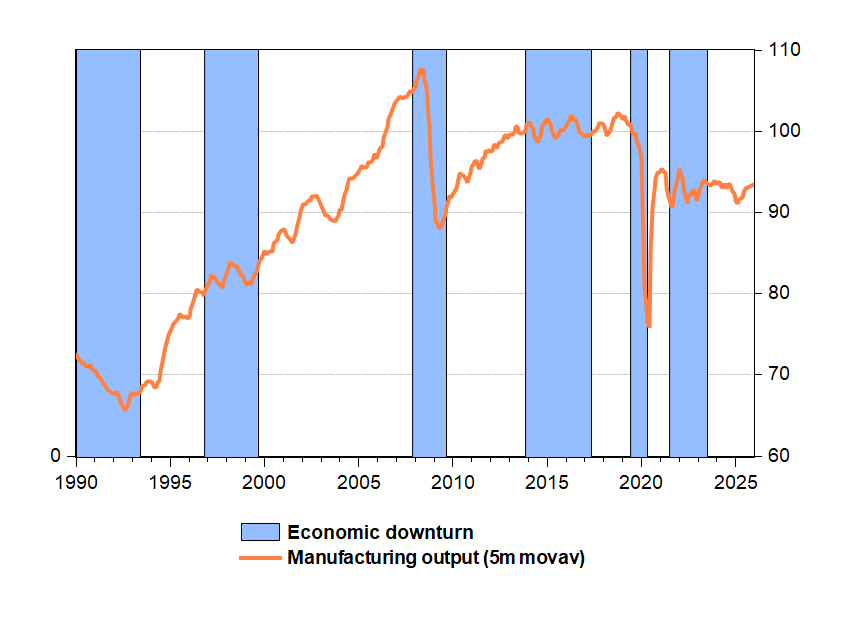
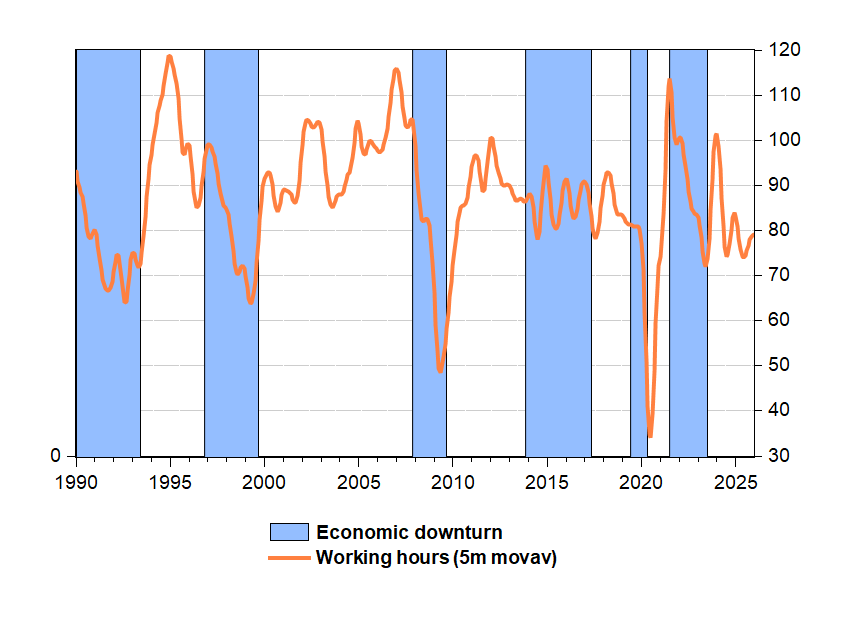
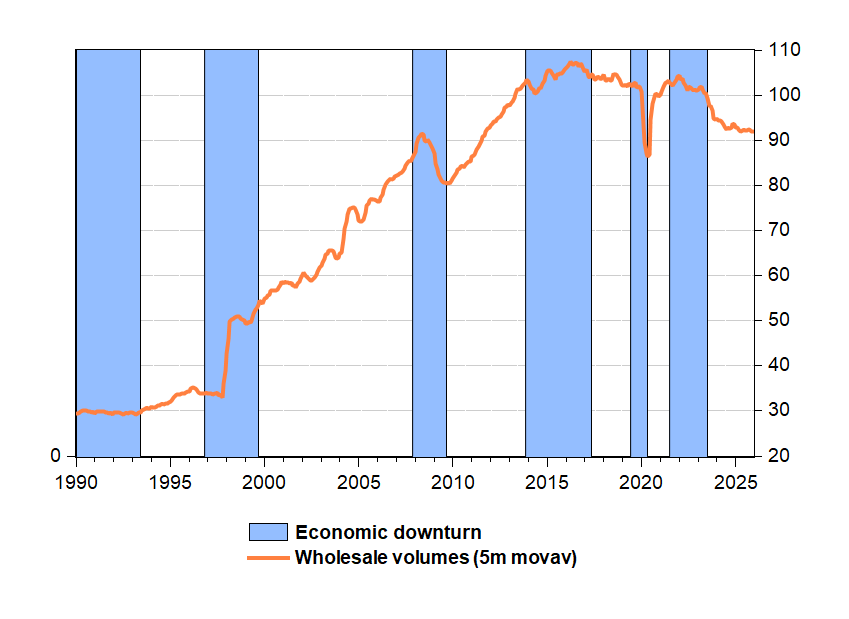
Source: BER/ BCA
Notable, is the financial & business services sector and – to a lesser extent – the personal services sector posting modest growth (0.3%) for the second consecutive quarter. These two sectors (combined with agriculture) account for the bulk of the growth in real GDP following the coronavirus pandemic. It is also evident that government spending is under tight control, real value-add is only 2.1% above pre-covid levels and on the demand-side up 4.1% (with 25Q3 growth coming in at only 0.3% quarter-on-quarter and 0.1% year-on-year).
On the demand-side of the economy, real household spending remains the source of resilience and the driver of post-covid real GDP growth – growth came in at 0.7% during the third quarter, is up 3.3% (year-on-year) and up 7.1% compared to pre-covid levels. Importantly, there are positive signs that public sector investment is taking off, albeit that the sector has an arduous road to recovery and private fixed investment (outside the renewables sector) has yet to join the broader fixed investment recovery.
In sum: the business cycle
Real GDP growth came in at 0.5% quarter-on-quarter during 25Q3, i.e., the fourth consecutive quarter of growth, albeit at a very pedestrian pace. Fourth quarter indicators reveal even stronger momentum. Business confidence increased by five index points to above its long-term average. Whereas it is too early to suggest that the economy is embarking on a proper business cycle upturn, some indicators are heartening.
The civil construction industry reports improved activity and order levels, and sentiment has risen meaningfully across small and large contractors. Manufacturing conditions are bottoming out, albeit that this sector faces immense challenges (e.g., imports, infrastructure constraints and general competitiveness issues calling for prudent macroeconomic and active regional industrial policies). Whilst the agricultural sector recovered from the poor 2023-24 season, its growth has stabilised and climatic conditions remain highly uncertain. The mining sector is benefiting from high commodity prices, particularly in the gold and platinum sectors and stand to do so given the dynamics of the energy transition.
Real household spending continues to provide the most meaningful momentum and is supported by contained steady growth in government consumption, with fiscal policy shifting its focus towards infrastructure investment.
As noted, the typical business cycle forces (or propagation mechanisms) are compromised during times of deep structural change, with autonomous fixed investment spending becoming an important bedrock for sustained growth and eventually proper business cycle momentum. In this regard, the SA economy is revealing hopeful signs.
The country is removed from the world’s conflict zones, benefits from the general revaluation of emerging country asset markets and has an opportunity to position itself politically and unambiguously as a non-aligned state in the unfolding resetting of geo-political relations and the international financial architecture.
The big question faced by the government and economic role players, is whether SA has stepped away from the brink with the formation of the Government of National Unity (GNU) 19 June last year? The country’s history is pointing in this direction.
US economic growth continues slowing down, 25Q4
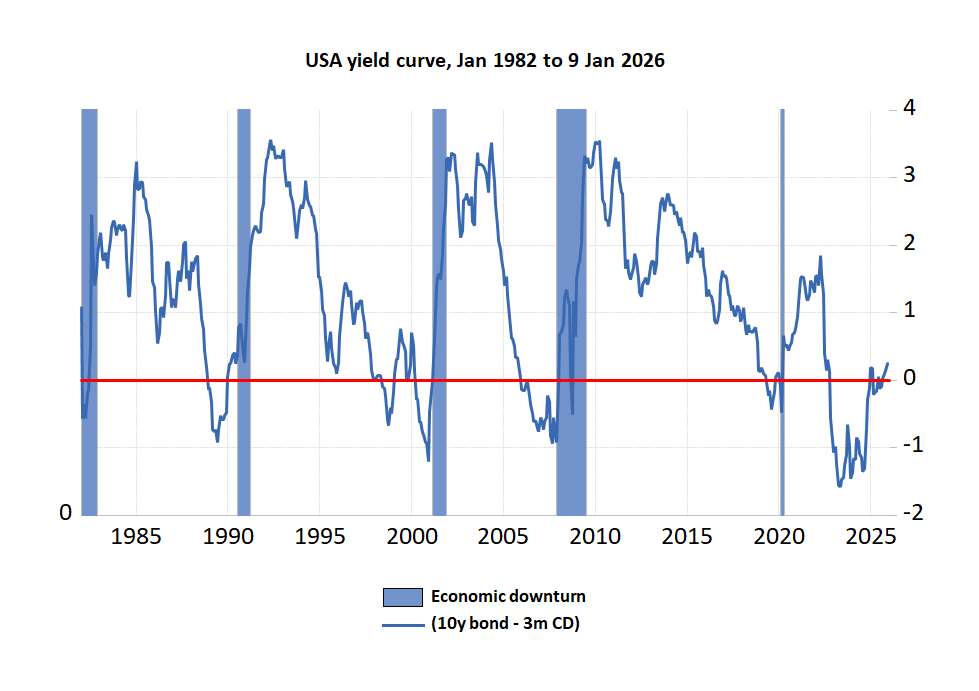
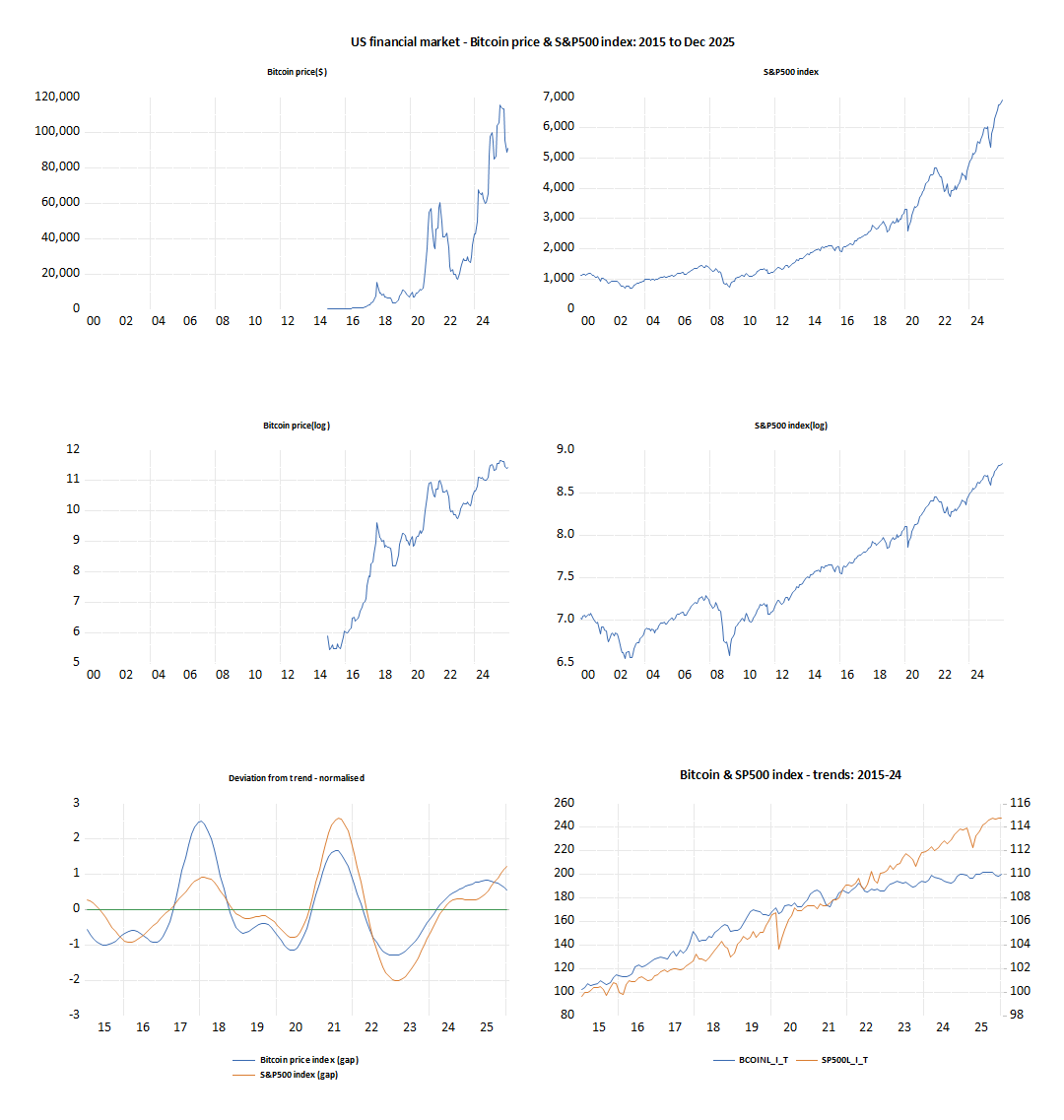
There have been significant developments during the fourth quarter of 2025 and the early part of this year. Geo-politically, tensions remain high and have deepened with the events in Venezuela on 3 January. Retaliatory tariffs are also the order of the day, as many developing and industrial nations seek to protect markets against lower-priced Chinese imports diverting from the US. Whereas tariffs represent a first round cost-raising effect, a drawn-out tariff war has a (US dollar) liquidity draining impact, globally, which overshadows the price impact. On the positive side, financial markets continue to perform well, with AI boosting productivity growth in key industries and the theme of underperforming goods industries and better performing service industries continuing. This may not be a full analysis of the state of the global economy. There are important nuances.
The fact is that over-capacity exists in most legacy manufacturing industries and AI is adding to this tendency as skilled labour are replaced through automation (see Hoisington, Economic Overview, 3rd Quarter 2025; https://hoisington.com/economic_overview.html). The reduced demand for labour causes lower expenditure, which, in turn, leads to more over-capacity. The latter-mentioned adverse impact of AI may be stronger than the productivity gaining impact, which then implies lower overall real GDP growth. Combined with the (deflationary) impact of retaliatory tariffs (and the implicit de-globalisation tendencies), the outlook may be for lower growth, lower inflation and lower bond yields.
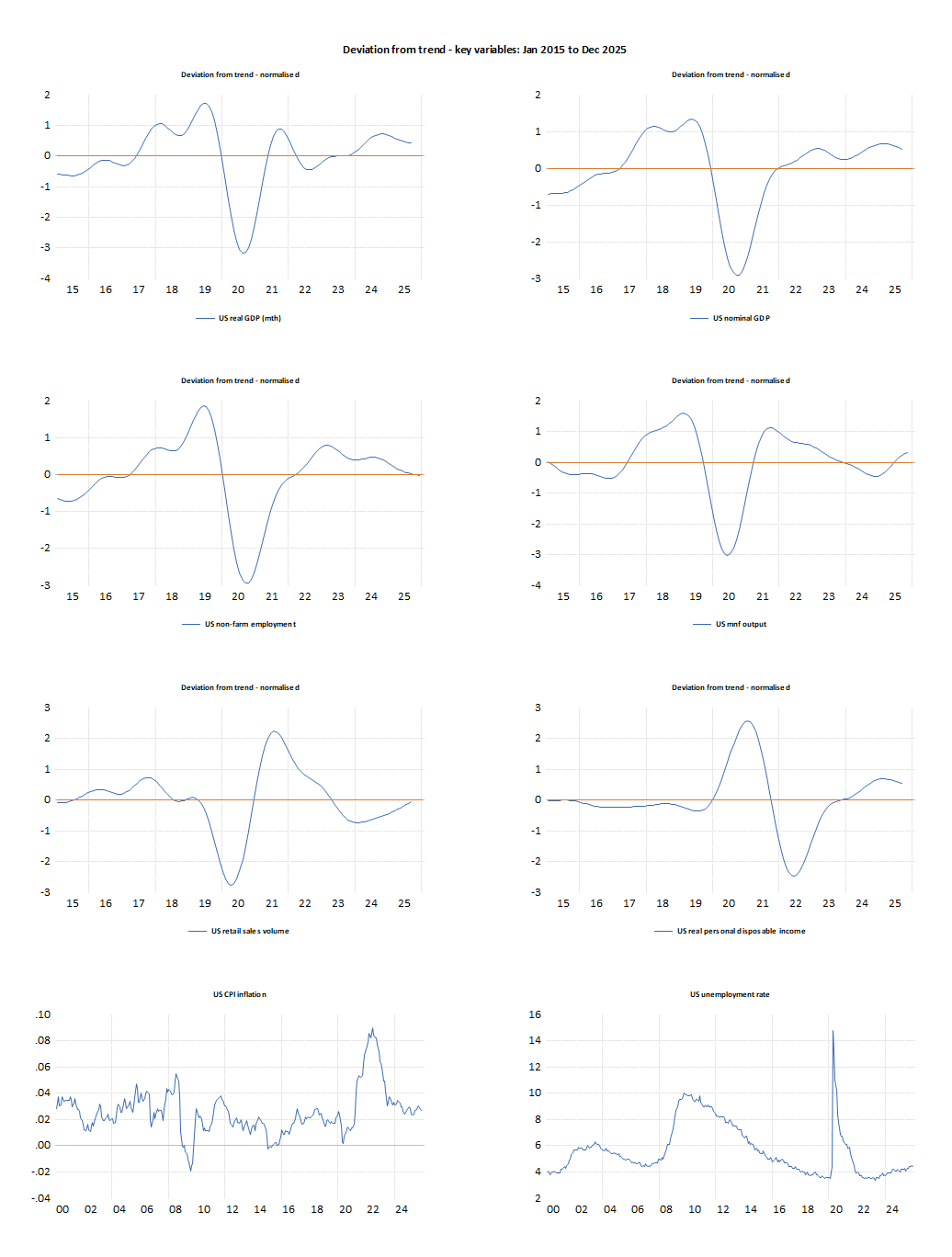
US real GDP growth continues to taper and year-on-year growth in non-farm payrolls have slowed significantly, yet resilience remains. Real personal disposable income is topping out, whereas net exports have turned positive as import demand slowed down in the face of higher tariffs. The Fed is more concerned regarding the adverse tendency in the labour market, rather than the price-raising impacts of tariffs (as well as the perceived productivity- and growth boosting impacts of AI). The concern is that the former-mentioned tendencies may demand more pre-emptive action by the Fed.
The theme of underperforming goods and better performing services industries, is also prevalent in the other major industrial countries. Macroeconomic stimulus is applied in the European Union, the UK and China. It remains uncertain if the stimulus will have the desired impact. Suffice to conclude that world economic growth is likely to be below-trend over the short- to medium term. On balance, inflation may surprise on the low side, which will cause lower bond yields.
US BUSINESS CYCLE INDICATORS, 25Q4
Source: St ’Louis Federal Reserve data base
US FINANCIAL MARKETS, 25Q4
Source: St ’Louis Federal Reserve data base
“When you adopt a cyclical worldview, your outlook will be in the minority whenever the chance of an economic turning point is high”
Achuthan & Banerji